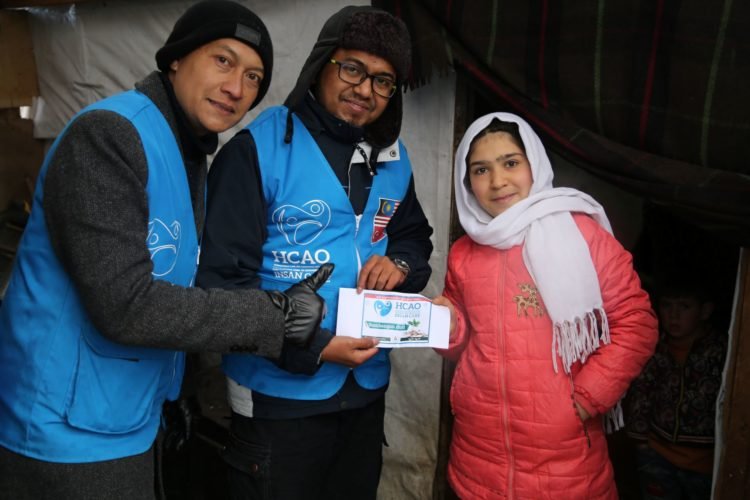
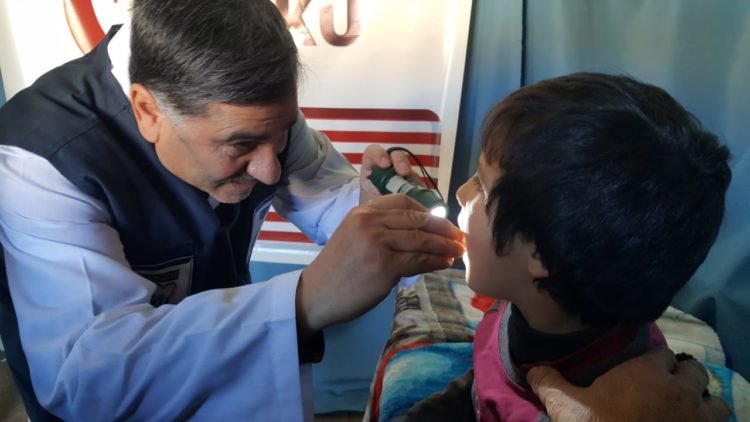
The Medical Tent Project
The Medical Tent Program provides medical services that refugees lack in their camps on the Turkish-Syrian border or the Syrian-Lebanese border.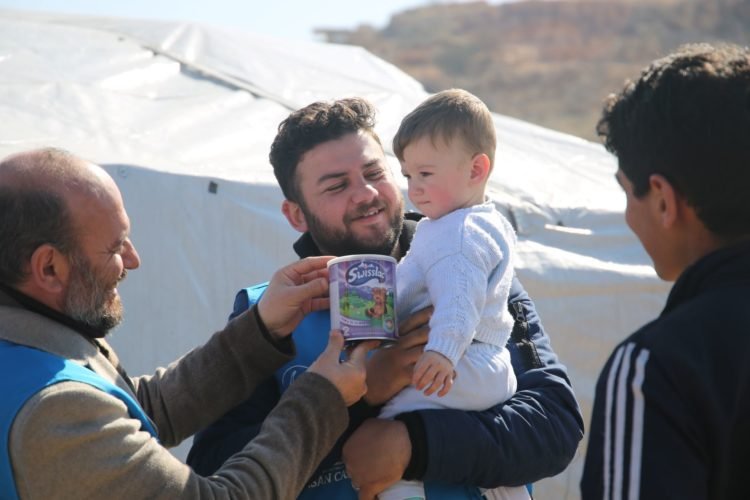
Health care project
The Health Care program provides essential health services for children and the elderly such as baby milk, diapers and permanent-use drugs for the elderly.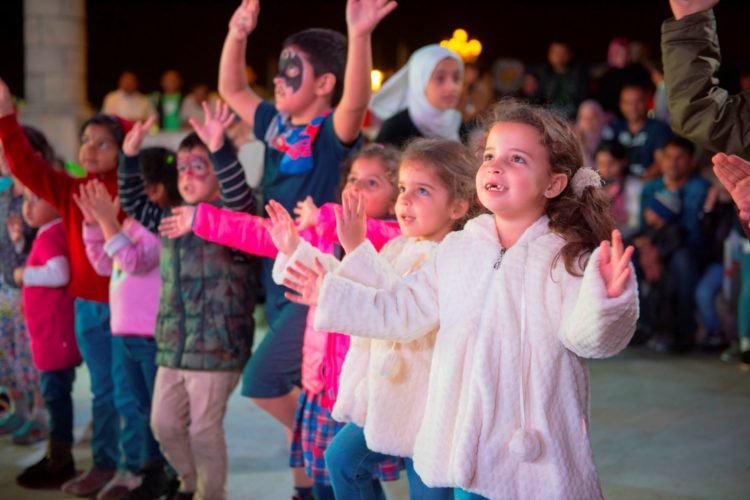
Psychological support project
The Psychological Support Program is one of the social and psychological programs through which we seek to draw a smile on the faces of the children and widows in the camps, and to bring joy and happiness into their hearts, after the suffering and pain stories they have experienced. In addition to caring for some special cases who have been exposed to violence in the war in Syria.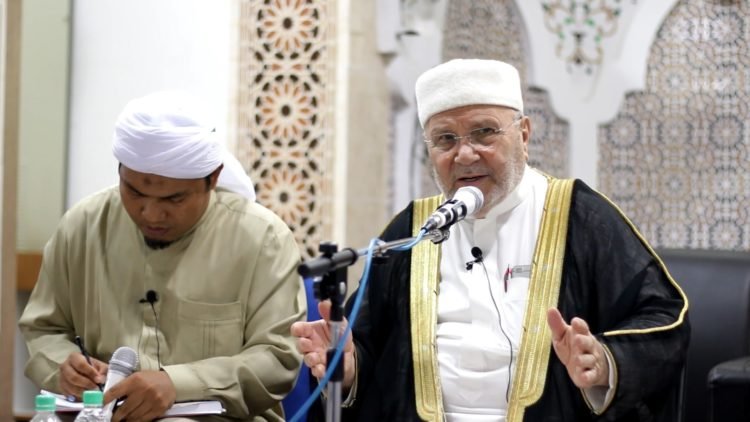
Scholars' Hosting Project
Every year, Insan Care hosts a leading Islamic scholar to organize educational, social and religious lectures in mosques and universities in Malaysia to spread the correct teachings of Islam and to correct misconceptions.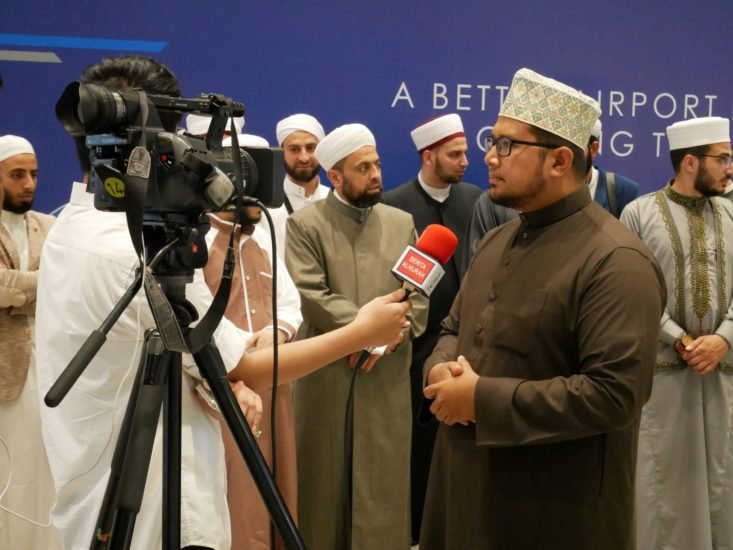
Ramadan Reciters Project
Every year, Insan Care Organisation hosts more than 12 reciters from outside Malaysia and organizes da’wah and Quranic programs in mosques and suraus. They correct Malaysians’ recitation and give sermons and reminders throughout the blessed month of Ramadan.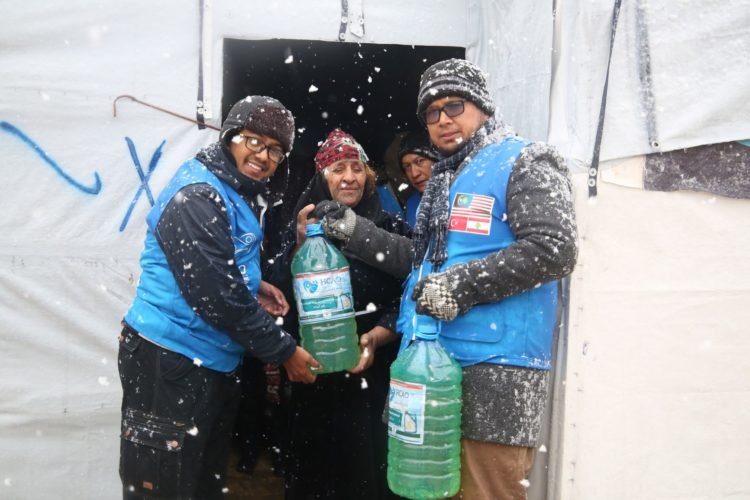
Delivering Warmth Project
Delivering Warmth Project is one of the seasonal projects in winter, through which Insan Care provides winter necessities to the displaced and the poor in the Syrian camps to alleviate their suffering, as the temperature there reaches
Sacrifice(Qurban)Project
Allah Almighty said in Surah Al-Kawthar (108:2) {So pray to your Lord and sacrifice [to Him alone]}.
Emergency Relief Project
This program is concerned with relief for the displaced from areas that suffer from humanitarian disasters such as siege, bombing, famine and malnutrition.
Bread Project
Bread Program is one of the most important relief programs which Insan Care is working on as bread is one of the foodstuffs that Syrians depend on permanently but don’t have because of displacement and long distance from their villages.